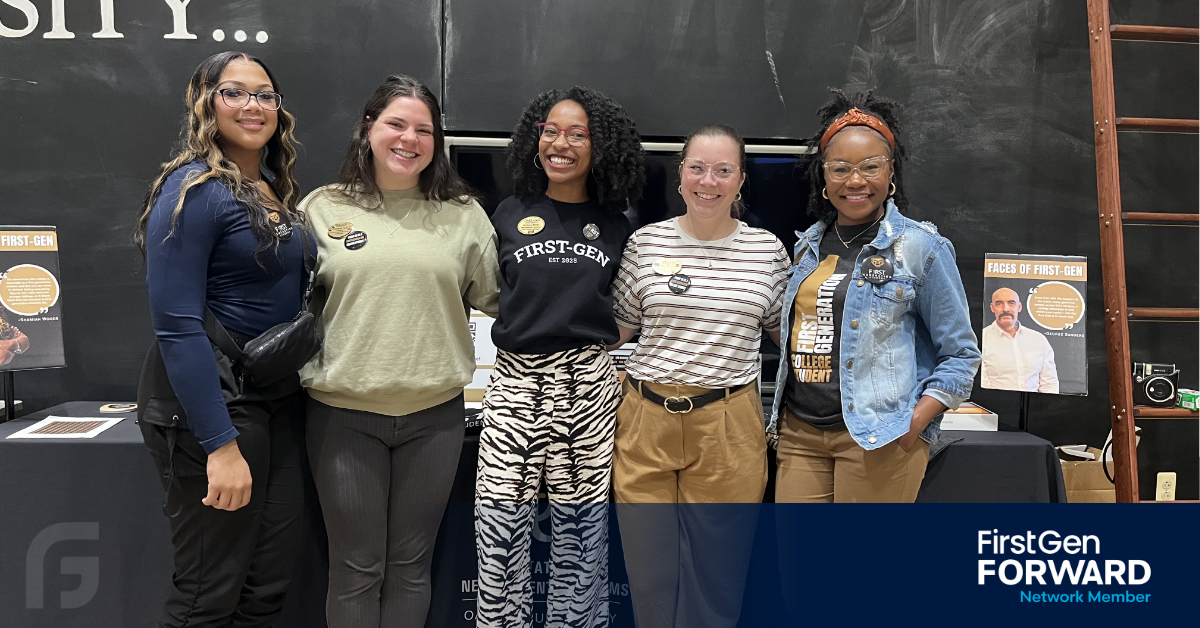
At Oakland University, nearly half of incoming students identify as first-generation college students. We know these students bring incredible resilience and determination, but they may also encounter challenges navigating systems that were not designed with their experiences in mind. As an institution, we are committed to ensuring our systems recognize, reflect, and build upon their experiences so they can thrive and lead.

Pilot Program
In 2023, Oakland University launched the DREAM (Determination and Resilience through Education, Achievement, and Motivation) program, a small, grant-funded pilot designed to provide targeted support for first-generation students. DREAM focused on building community, connecting students with mentors and resources, and providing personalized guidance to help them navigate their college journey. The pilot demonstrated something powerful: when first-generation students receive intentional support, they thrive.
The pilot also revealed an important challenge: while DREAM served a small cohort of students, many more first-generation students across campus were navigating college without the same level of structured support. As our first-generation population continued to grow, the question became clear: How could we take what worked in DREAM and scale it to reach hundreds, and eventually all, first-generation students at Oakland University?
Moving from Pilot to Scalable Model
Instead of simply expanding the pilot, our team began asking a different question: How can we build a sustainable, scalable ecosystem of support for first-generation students?
Through the First Generation Success Grant and cross-campus collaboration, Oakland University began redesigning how first-generation support is delivered across the institution. Our approach focuses on several key strategies:
- Scaling High-Impact Practices
- Building a Campus-Wide First-Gen Ecosystem
- Designing for Scale
The DREAM program provided valuable insight into which supports had the greatest impact on students. These included:
- Success coaching and proactive advising
- Early identification of academic or financial barriers
- Opportunities for first-generation students to build community
- Faculty and staff engagement in first-gen initiatives
As we scale the model, these practices are now being designed to reach larger student populations. The job of supporting first-generation students cannot fall to one program or office alone. Instead, Oakland University is working to build a network of support across the institution, including:
- First-generation orientation and transition programming
- Faculty and staff training on supporting first-gen students
- Anytime alert systems that help identify students needing support throughout the entire semester, instead of the standard early alert system model
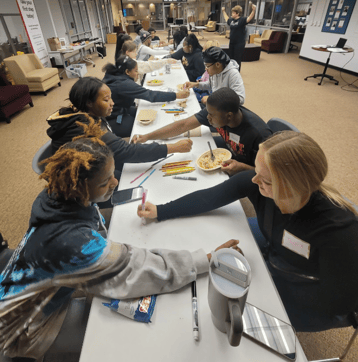
- Community-building events such as “First-Gen Mix and Mingles” and First-Gen Celebration Week created through a partnership with Orientation & New Student Programs, Enrollment Management, and various departments across OU
By embedding first-generation support across multiple campus units, we are moving from isolated programming to shared institutional responsibility.
One of the most important lessons from our pilot was that successful programs must be designed with scale in mind. As we expand support, we are focusing on sustainable staffing models for our success coaches, data-informed early alerts and interventions, strategic partnerships across academic and student affairs, and systems that can support hundreds of students as our population of first-generation students steadily increases. This work allows us to preserve the personalized support that made the pilot successful, while ensuring the model can grow alongside our student population.
Lessons for Institutions Looking to Scale First-Gen Support
Through our scaling experience, we gathered several insights for institutions beginning similar work:
- Start with what works: Pilot programs provide valuable insight into which practices truly impact students.
- Design systems, not just programs: Scaling support requires institutional structures that embed first-generation success across multiple areas of campus.
- Engage campus partners early: Upper administration, advisors, faculty, and student success teams all play a role in creating a supportive environment.
- Center student voice: Listening to first-generation students throughout the process ensures the model reflects their real experiences and needs.

Oakland University’s work to scale the DREAM pilot is still evolving. Our goal is to build a sustainable model that ensures every first-generation student has access to the resources, relationships, and guidance needed to succeed. By transforming a small pilot into a campus-wide ecosystem of support, we hope to contribute to the growing national conversation about how institutions can move beyond isolated programs and toward systemic change for first-generation student success. The future is first-generation, and scaling support is essential to making that future possible!
For more information on Oakland University’s current first-generation student resources, visit here.
/FGCC%20Blogs/Aurora%20CC%20FGCC%20Blog.png)
/FGCC%20Blogs/Newark%20Rutgers%20FGCC%20Blog.png)