Listening to First‑Generation Students at SUNY Oneonta
Why First-Generation Student Data Matters at SUNY Oneonta
At SUNY Oneonta, listening to first-generation students is essential to understanding how we can better support their success. As of fall 2025, 42 percent of undergraduate students identify as first‑generation, meaning neither parent nor guardian earned a bachelor’s degree. As this population continues to grow, it is critical that we intentionally uplift student voices and learn directly from their experiences. Doing so allows us to better support first‑generation students as they navigate college and work toward achieving their academic, personal, and professional goals.
The Role of the First-Gen and Returning Student Taskforce
One of the primary ways SUNY Oneonta addresses these goals is through the First-Gen and Returning Student Taskforce. This taskforce is composed of staff from the Office of Student Experience, Residential Experience and Housing, as well as a student head resident assistant. Together, the group focuses on identifying and addressing the needs of first-generation and returning students to positively impact student success and retention.
Each semester, the taskforce:
- Plans one large-scale event
- Hosts one professional development opportunity for Student Affairs and student support offices
- Conducts one data deep dive with findings shared at the end of the semester
During fall 2025, the taskforce focused specifically on first-generation students for both our professional development and data collection.
How We Collected the Data
The taskforce created a 12-question Microsoft Form designed to collect meaningful information while remaining brief to encourage participation. Questions focused on three areas: motivation, challenges, and identity as a first-generation student. The survey included an equal mix of multiple choice and short answer questions.
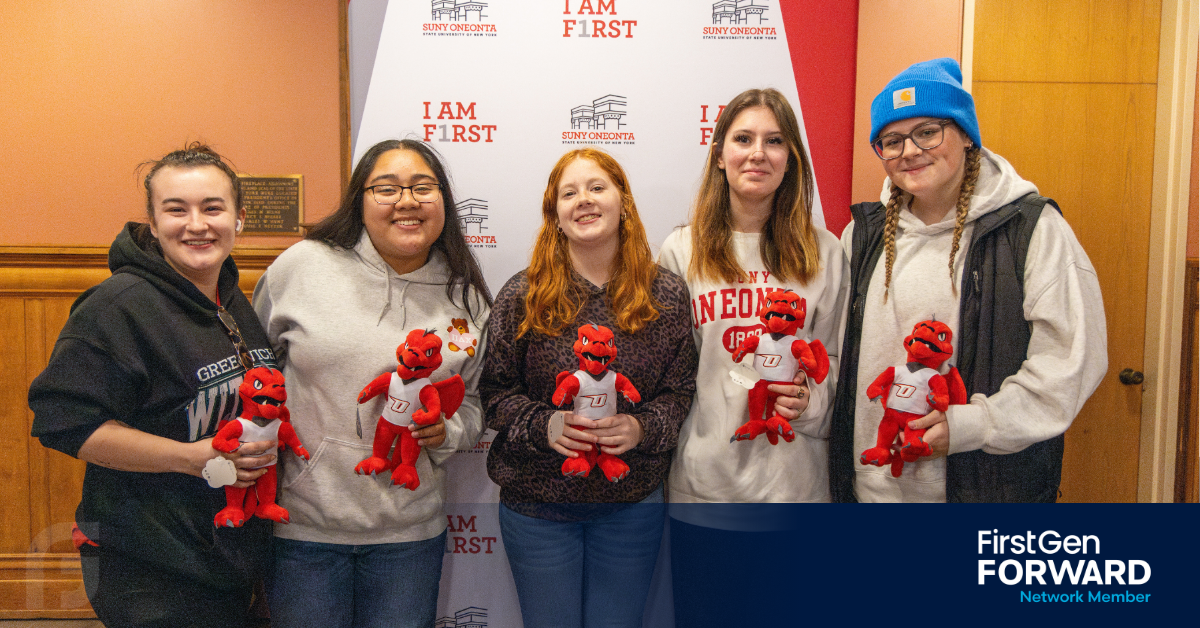
Data was collected during First-Gen Celebration Week in November, when taskforce members attended events and shared a QR code linking to the survey. Students who completed the form were entered into a drawing for a LEGO set. In total, 70 first-generation students responded.
What We Asked and What Students Told Us
What Motivated You to Come to College?
What we heard:
Students most often cited pursuing a career they are passionate about, making their family proud, and increasing future earning potential. Many students selected multiple motivations, showing that their decision to attend college was influenced by more than one goal.
Why it matters:
These motivations reflect the intersection of aspiration, family responsibility, and long-term financial planning that often shapes first-generation students’ decisions.
What this points to:
Understanding these motivations helped us better examine how well students feel supported on campus.
What Challenges or Barriers Might Have Made It Hard for You to Attend College?
What we heard:
Cost and financial concerns were the most commonly reported barriers. Mental health or stress, lack of guidance on the college process, family responsibilities, and fears of not fitting in were also frequently cited, often together.
Why it matters:
Barriers to college extend beyond finances and frequently include emotional, academic, and structural challenges, especially for students navigating higher education for the first time.
What this points to:
These findings highlight the importance of comprehensive support before and during college.
What Kinds of Personal, Academic, or Professional Challenges Have You Faced So Far in College?
What we heard:
Students described difficulties with academic adjustment, mental health, time management, and financial pressure. Many expressed feeling academically behind or uncertain about expectations. Personal responsibilities and health concerns often compounded these challenges.
Why it matters:
Unspoken expectations can significantly impact first-generation students’ confidence and transition to college.
What this points to:
Greater transparency and early connection can support smoother adjustment.
Something You Wish You Had Known Before Starting College as a First-Gen Student?
What we heard:
Students wished they had known how demanding college coursework can be and how quickly work accumulates. Many also mentioned limited early guidance about resources, financial aid, advising, and course selection. Students frequently emphasized that asking for help is necessary, and that feeling overwhelmed is common.
Why it matters:
These reflections underscore how hidden expectations and limited early guidance can shape first-generation students’ confidence and adjustment to college.
What this points to:
Centering transparency, connection, and early support can make a meaningful difference in how first-generation students experience their transition into college.
What’s Something You Wish Professors or Staff Members Understood About First-Gen Students?
What we heard:
Students shared that first-generation status often means navigating college without prior knowledge or guidance. Many carry family pressure, cultural responsibilities, and stress alongside their coursework. Students emphasized the value of patience, compassion, and clear communication.
Why it matters:
Assumptions about preparedness can unintentionally create additional barriers.
What this points to:
Intentional relationship-building and clarity can help students feel supported and capable.
Closing Reflections
The responses shared through this data collection reinforce the importance of listening directly to first-generation students. Their experiences highlight both resilience and need, underscoring the value of transparency, early guidance, and compassionate support.
This semester, the First-Gen and Returning Student Taskforce also approached professional development differently by sharing these findings directly with faculty. Members of the taskforce connected with the deans of the three academic schools and were invited to present the data to them and their department chairs. These conversations created opportunities to bridge student experience and faculty practice and helped deepen campus-wide awareness of first-generation students’ needs.
The presentations were well received, and we are currently collecting feedback from faculty who attended to inform future efforts. As the taskforce continues its work, student voice and collaboration across campus will remain central to how we strengthen support for first-generation students at SUNY Oneonta.
For more information on SUNY Oneonta’s approach to supporting first-generation students, please visit the First-Generation website page.
/FGCC%20Blogs/Morehead%20FGCC%20Blog.png)