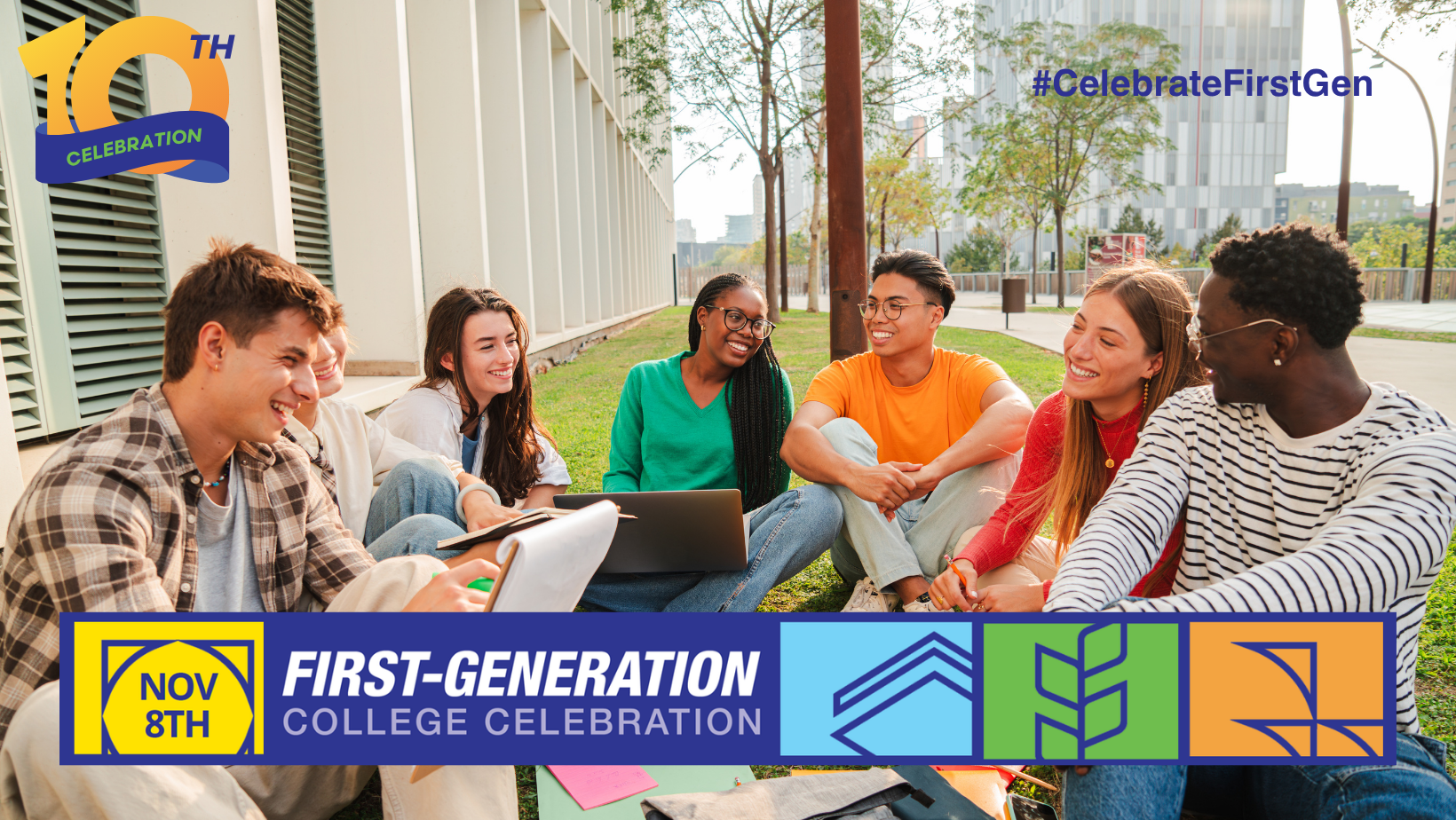
FirstGen Forward, in partnership with the Council for Opportunity in Education (COE), is proud to support the 10th annual First-Generation College Celebration! Every first-generation college student carries more than a backpack to campus. They bring pride, resilience, responsibility, and often an unspoken pressure to navigate systems that were never designed with them in mind. On November 8, we kick off the National First-Generation College Celebration, pausing to recognize those experiences and honor the anniversary of the signing of the Higher Education Act of 1965. But the work of supporting and celebrating first-generation students must extend far beyond a single day.
To help spark ideas and lower the barrier to getting started, we’ve refreshed our original list of 101 ways to celebrate, engage, and support first-generation students, faculty, and staff. Some ideas require little to no resources; others call for creativity, partnerships, or leadership commitment. All are rooted in a shared goal: transforming campuses so first-generation students feel seen, supported, and successful.
While we hope you will take advantage of this particular day for celebrations, please consider this a charge to begin or expand celebrating first-generation experiences throughout the academic year. Start with one idea. Scale to five. Build toward a year-round strategy. Progress, not perfection, is the goal. Build momentum. Invite students into the planning. And most importantly, let first-generation voices lead the way.
A note of care: First-generation identity can be deeply personal. Some students, faculty, and staff are still navigating what this identity means for them. Always seek consent before publicly recognizing or highlighting individuals.
Institutions across the country are invited to join us, not just by hosting events, but by committing to sustained, equity-centered action throughout the academic year.
Celebration matters. Visibility matters. And so does intention.
Top 10 Ways to Start
101 ideas may seem overwhelming, so if you’re looking for a meaningful place to begin, start here:
-
Ask institutional leadership to issue a public statement affirming support for first-generation students.
-
Host a campus celebration or gathering centering first-generation students, alumni, faculty, and staff—planned with student leaders.
-
Launch a storytelling campaign (“Why I’m First,” “What I Wish I’d Known”) highlighting first-gen voices digitally or on campus.
-
Send a direct message or letter to first-generation students, reinforcing that they belong and outlining the resources available to them.
-
Create a first-generation task force or advisory group with students, faculty, and staff.
-
Audit campus language and materials to identify opportunities to remove jargon and deficit framing.
-
Partner with Career Services to host a résumé, interview, or career-pathways workshop for first-gen students. Consider ways to utilize tools like AI and how to navigate the hidden curriculum around these topics.
-
Host a first-generation alumni networking event (in person or virtual).
-
Train orientation leaders, advisors, and tour guides on how your institution supports first-generation students.
-
Commit to celebrating first-generation students year-round, not just on November 8.
As you look to be an active part of First-Generation College Celebration on November 8 and beyond, please follow @FirstgenCenter and @COETalks and use #CelebrateFirstGen and #trioworks in your social media posts so the festivities can become a national event!
101 Ways to Celebrate and Support First-Generation Students Continued
Organized by theme for easier planning and collaboration
Campus Culture, Visibility, and Belonging
1. Host a campus event or rally featuring notable first-generation alumni, faculty, staff, and students. Empower first-generation student leaders to get involved in planning or to emcee the event.
2. Host panel discussions or forums featuring first-generation members of your campus community to discuss their college experiences.
3. Launch a first-generation student logo development contest to be used for programs, services, and events.
4. Create a social media handle specifically for first-generation students at your institution. Use this space to gather resource information and share opportunities from multiple offices in one location to streamline communication.
5. Coordinate an asset-based, positive language campaign to combat the use of deficit language in communications about and for first-generation college students.
6.Promote your celebration events and ongoing opportunities by distributing first-generation swag.
-
This effort should be part of a broader "you belong" or "we're glad you're here" campaign that fosters a sense of belonging through connection and storytelling.
7. Designate a campus athletics event as “first-generation” and recognize student-athletes, coaches, attendees who are first-generation.
-
Offer a discount to attend if students have to pay for tickets.
8. Develop unique graduation regalia that denotes the first-generation identity or signals completion of a first-generation initiative.
9. Create a first-generation “bulletin board in a bag” for resident assistants to post in their communities.
10. Create social engagement opportunities including social media profile frames, filters, gifs or stickers.
11. Highlight first-gen students, alumni, and staff on social media including LinkedIn—not just Instagram/Facebook—to normalize professional presence.
12. Support students in establishing a first-generation student organization on campus. Identify first-gen faculty/staff who may be interested in serving as advisors.
13. Create a campus photo booth where students can take photos with signs denoting their first-generation identity. Be sure to use a hashtag and invite students to engage on social media.
14. Think about unique populations! Serving students who only attend online? Send an email to or host a virtual event with first-generation students to encourage pride in their identity and share resources they may not be aware of.
15. Host a breakfast, luncheon, or snack break for first-generation students to celebrate their success. Invite first-generation leaders, faculty, and staff to attend.
-
-
Partner with campus offices, bookstores, local eateries, and gas stations to add gift card raffle to your celebration events.
-
16. Meet students where they are, literally! Set up stations in commuter student parking areas to offer breakfast-on-the-go or car winterization kits to students just to brighten their day and feel encouraged and encouraged.
17. Meet students where they are, literally! Set up stations in commuter student parking areas to offer breakfast-on-the-go or car winterization kits to students just to brighten their day and feel encouraged and encouraged.
Student Voice, Storytelling, and Identity
18. Launch a “Why I’m First” campaign where first-generation students anonymously or openly submit why it was important for them to go to college to be displayed on campus.
19. Not sure who on your campus is first-generation? Use your celebration as a way for faculty and staff to identify as first-gen and get them signed up to support first-gen students in some way!
20. Celebrate the legacy of TRIO programs on your campus. If possible, identify the numbers of students served or major milestones.
21. Highlight the contributions of first-generation students to your campus community. Think about campus leaders, those contributing through service hours, academic achievement, recent award winners, student-athletes.
22. Orchestrate listening sessions where administration, faculty, and staff take time to listen to first-generation students describe their experiences and needs on campus.
23. Conduct interviews with trustees, administrators, and faculty who are first-generation. Consider profiling these individuals in your campus newspaper, on websites, or on campus TVs.
24. Create multimedia materials of first-generation students for use in admissions, orientation, and campus development sessions.
25. Engage local and campus media to cover your celebrations and events. Prepare a short set of talking points to distribute to ensure accurate and appropriate information regarding first-generation students is shared.
26. Profile first-generation students and programs on university and departmental websites and social media.
27. Create programs that also highlight the intersectional nature of first-generation student experiences. Consider beginning with veterans to coincide with Veterans Day.
28. Invite first-generation students from local high schools to participate in programming or celebrations. Develop mentoring relationships between first-generation college students and those in local high schools.
29. Create a glossary of commonly used institution terms and initiative efforts for a "jargon take down" campaign to create more inclusive spaces for students.
30. Have graduating first-generation students offer messages of advice to new first-generation students on the best resources and opportunities they sought in college.
31. Choose books or media with first-generation narratives for common reading programs.
32. Explore intersectionality. Partner with colleagues and students to discuss “first-generation-plus” identities (e.g., race, gender, socioeconomic status) at your institution.
33. Create a display space on campus and ask students to contribute responses to a specific prompt. Suggestions include: “I celebrate being #firstgen because…” or “My biggest supporters in attending college are…” or “I love being #firstgen because…”
34. Host screenings of documentaries and movies with a first-generation narrative and offer discussion groups.
Leadership, Strategy, and Institutional Commitment
35. Ask your university president or a member of the leadership to send a public statement supporting first-generation student success.
36. Invite a team of dedicated faculty and staff to form a first-generation student success committee to begin considering current offerings and opportunities for improvement.
37. Kick off a campaign to raise funds for first-generation student scholarships or program expansion.
38. Ask colleagues to identify how they are considering first-generation students on their programs and services. Offer a “first-gen friendly” designation to reward those doing outstanding work.
39. Invite student organizations who may already serve a large population of first-generation students through their membership to come together for a campus dialogue. Have each organization select one first-generation member to sit on a collective first-gen task force or committee to identify collaborative opportunities.
40. Coordinate letters or emails from your university president to each first-generation student to reinforce their place within your community.
41. Announce the creation of recognition awards for “outstanding first-generation college student” and “outstanding campus advocate for first-generation students.”
42. Send out the first edition of a newsletter for first-generation students and families.
43. Announce the creation of living-learning communities or study abroad programs tailored to first-gen students.
44. Connect with University Relations/Communications to run a series on being first-gen (could include faculty/staff, student, parent, alumni stories) in the weeks leading up to November 8.
45. Create a fact sheet of first-generation student data and qualitative stories specific to your institution that can be shared with senior leadership.
46. Conduct a campus audit of existing programs and services that are not explicitly serving first-generation students and identify opportunities for collaboration.
47. Increase first-gen representation. Work with colleagues to reserve spaces on student teams (orientation leader, resident assistant, peer mentors, etc.) for first-generation students. Work to directly recruit first-generation students for those positions.
Faculty & Staff Engagement and Professional Development
48. Incorporate first-generation faculty experiences into classroom discussions.
49. Launch a lecture series for the university community to understand recent media and scholarship surrounding first-generation student success. Start by identifying faculty or staff on your campus who may have a scholarship in this area!
50. Kick off a brown bag lecture series for faculty to discuss topics related to classroom experiences for first-generation students and offer approaches for improvement.
51. First-gen Friday: offer a weekly engagement opportunity for students. This could be formal programming, a meal or social gathering, or simply a place to hang out.
52. Host a letter-writing campaign to remind state legislators, boards of trustees and state higher education agencies of the needs of first-generation college students.
53. Train campus ambassadors, tour guides, and orientation staff on how your campus welcomes first-gen students.
54. Partner with faculty to begin a research study on first-generation experiences at your institution or more broad first-generation topics.
55. Partner with colleagues to submit a national or regional conference proposal on first-generation efforts or research.
56. Utilize the FirstGen Forward Learning Hub for professional development events to host a brown bag lunch for colleagues, graduate, and professional students to engage in discussion.
57. Encourage faculty to offer first-generation specific office hours or change the name to “student hours” to clarify intent. Consider moving to a common student space for meetings.
58. Place an identifier in the university campus directory next to first-generation faculty and staff.
59. Kick-off a first-generation student/faculty mentoring program.
60. Include a statement about the first-generation status in your syllabi or in your course announcements via your learning platforms.
61. Map the "Hidden Curriculum" through a cross-campus audit to identify areas of unconscious knowledge (e.g., office hours protocol, internship processes, advising language) and publicly commit to resolving three identified barriers.
Academic Success, Research, and Data-Informed Practice
62. Assemble a team of key institutional players to examine how a common definition of “first-generation” is being used across campus. No definition? Work toward establishing one! Here is a helpful resource when considering a definition.
63. Create an infographic detailing facts specific to first-generation students on your campus to post in academic and student spaces and online.
64. Ask colleagues to perform a “document analysis” of campus publications to see how first-generation students are included and celebrated. Work toward becoming a more student ready environment.
65. Partner with campus librarians to curate a first-generation book collection. Ideas may include tips on first-generation student success, books with central characters as first-gen students, or authors who are first-gen. Create an online resource!
66. Identify and promote undergraduate research opportunities for first-generation college students.
67. Identify key partners in Institutional Research who can be your first-generation data advocates! Schedule a meeting to discuss data needs and possibilities.
68. Identify key partners in your Development or Advancement areas. Discuss how they can tell the first-generation story of your community and identify opportunities for fundraising to support efforts.
69. Host an interdisciplinary research symposium for first-generation students. Allow students an opportunity to get practice in presenting their work to students and faculty from across the institution while building community with other first-generation researchers.
Career, Workforce, and Life After College
70. Host first-generation alumni networking and career development events.
71. Offer resume and interview workshops to offer tips on how to best frame first-generation status in the hiring process.
72. Host a job recruitment fair featuring companies committed to hiring first-generation college students.
73. Create a visual display of famous or successful first-generation alumni or prominent leaders. Customize for academic spaces. (e.g., Michelle Obama, Sonya Sotomayor or Bill Clinton within law or politics spaces, Starbucks CEO Howard Schultz in the business school, Common and Viola Davis in performing arts areas.)
74. Host a first-generation graduate school fair. Discuss options for graduate school with students, costs and resources, and transition planning. If possible, offer grants to offset costs for entrance exams.
75. Open a professional clothing closet, marketed to first-generation students, to support preparation for interviews, internships, and first positions after graduation. Host an event that offers a career closet, combining clothing access with professional headshots.
76. Develop a “First-gen Fellows” program through which first-generation students can shadow university leadership, faculty, staff, and community members to learn more about a particular career, interest, research opportunity, etc.
77. Create a programming series for graduating first-generation students to begin preparing for life beyond college.
78. Offer free workshops for students to take strengths-based inventories and meet with counselors to discuss results and how to apply them in decision-making.
79. Organize a student panel for undergraduate and graduate first-generation students across disciplines to have a student-to-student conversation about graduate education and venues. Identify mentoring opportunities!
80. Work with Alumni Relations to identify first-generation graduates and begin a communication plan to engage opportunities for engagement.
81. Does your institution produce an alumni magazine? Look to highlight first-gen graduates in the fall issue, acknowledging the celebration day.
82. Work with local business owners to start internships, host a career fair, or work experience opportunities specific to first-generation students.
83. Invite campus partners who serve first-gen students, informally and formally, to a meeting to discuss approaches for collaboration and networking opportunities to better support more students.
84. Research suggests that first-generation students who graduate are more civically engaged. Host a voter registration drive on your campus or a debate for local candidates. Encourage first-generation students to attend! Involve first-generation faculty from your political science or history departments.
Family, Community, and External Partnerships
85. Send a letter or postcard home to the families of first-generation students to acknowledge the university’s support of their attendance and to highlight successes.
86. Organize a first-generation 5k race to raise funds for student scholarships or programs.
87. Orchestrate a campus tour specifically for first-generation prospective students and families during admission or orientation programs.
88. Establish a coordinated volunteer program pairing current first-generation college students with future first-generation students in elementary, middle, and high schools for mentoring.
89. Encourage your campus newspaper to offer a “First-gen Fridays” column that highlights the outstanding accomplishments of first-gen faculty, staff, and students or allows a first-gen student to contribute experiences.
90. Initiate an event where local two-year and four-year institutions can discuss first-generation transfer experiences and pathways.
91. Launch a local service experience or trip specific for first-generation students to increase their sense of belonging in the greater community.
92. Utilize campus open-houses to connect with first-generation prospective students and their families to showcase the value and celebration of the first-generation identity within the campus community by tabling or offering a workshop.
93. Seek out a local or national grant opportunity to support first-generation programming or student needs. Work with colleagues to develop and submit a proposal.
Wellness, Basic Needs, and Holistic Support
94. Garner the support of university food service for a “first-gen fill up” opportunity. Each first-generation student receives a special travel mug good for free or discounted beverages on campus.
95. Host a “university dinner” at the beginning of each academic semester and invite all first-generation students to attend. If you don’t already do this on your campus, plan one for November 8!
96. Host a “First-gen Healthy Eating” where students participate in learning about healthy, affordable meals they can easily prepare while in college or when first starting out as a new professional. Work with Dining Services, nutrition program, or local restaurants, to offer instructions or donate supplies.
97. Increase the visibility and accessibility of housing and food support services for first-generation students through targeted marketing efforts.
98. Develop a “life skills” workshop series for graduating first-generation students to discuss housing searches, human resources paperwork, taxes, utilities, bank accounts, and more.
99. Partner with Financial Aid to kick off a FAFSA completion campaign. Work with first-generation students to gather and submit information early and help them begin to understand the verification process.
100. Get moving! Partner with Campus Recreation to host a First-generation Celebration Intramural Tournament. Anything from basketball to kickball to Ultimate Frisbee would work! Use this opportunity to build community among first-generation students while bringing awareness to first-generation efforts within the community.
BONUS!
101. Submit an application for the FirstGen Forward Network to receive national recognition for your first-generation efforts!
As you plan your First-Generation College Celebration and beyond, we invite you to share your efforts, learn from peers, and continue building momentum together.
/FGCC%20Blogs/Morehead%20FGCC%20Blog.png)
/FGCC%20Blogs/Aurora%20CC%20FGCC%20Blog.png)