Rethinking Student Success
Colleges invest significant resources in academic advising, financial aid, counseling, tutoring, and mentoring. Yet an important question remains: Are we creating a collection of services or an ecosystem of support?
The distinction matters. A collection of services provides resources. An ecosystem connects those resources through intentional relationships, collaboration, and shared responsibility.
At Alamance Community College (ACC) in Graham, North Carolina, this approach reflects our One College philosophy, recognizing that student success is not the responsibility of one department but a collective institutional commitment.
As Director of TRIO Student Support Services, I believe our greatest opportunity lies not simply in expanding programs, but in strengthening the connections among them.
Connecting Data, Relationships, and Action
First-generation students bring unique strengths, experiences, and aspirations to higher education. Supporting their success requires understanding the whole student rather than focusing exclusively on academic performance.
At ACC, our TRIO program begins building relationships during onboarding. Through the Learning and Study Strategies Inventory (LASSI), we explore students' learning approaches, motivation, and time management. Academic Advising Success Guides encourage conversations about educational goals and personal responsibilities, while the O*NET Career Assessment connects students' interests with career aspirations.
Together, these tools transform onboarding from an administrative requirement into an opportunity to establish trust, recognize strengths, and develop personalized pathways.
Our individualized Academic Improvement Plans extend this relationship-centered approach by helping students navigating satisfactory academic progress challenges develop practical strategies aligned with their circumstances and goals.
The goal is not simply to assess students, but to know them; not simply to develop plans, but to build partnerships.
Cultivating Connection and Belonging
An effective ecosystem extends beyond academic support to cultivate belonging, confidence, and student leadership.
At ACC, initiatives such as our "Keep the Main Thing the Main Thing" goal-setting workshop encourage students to reflect on their aspirations while building meaningful connections.
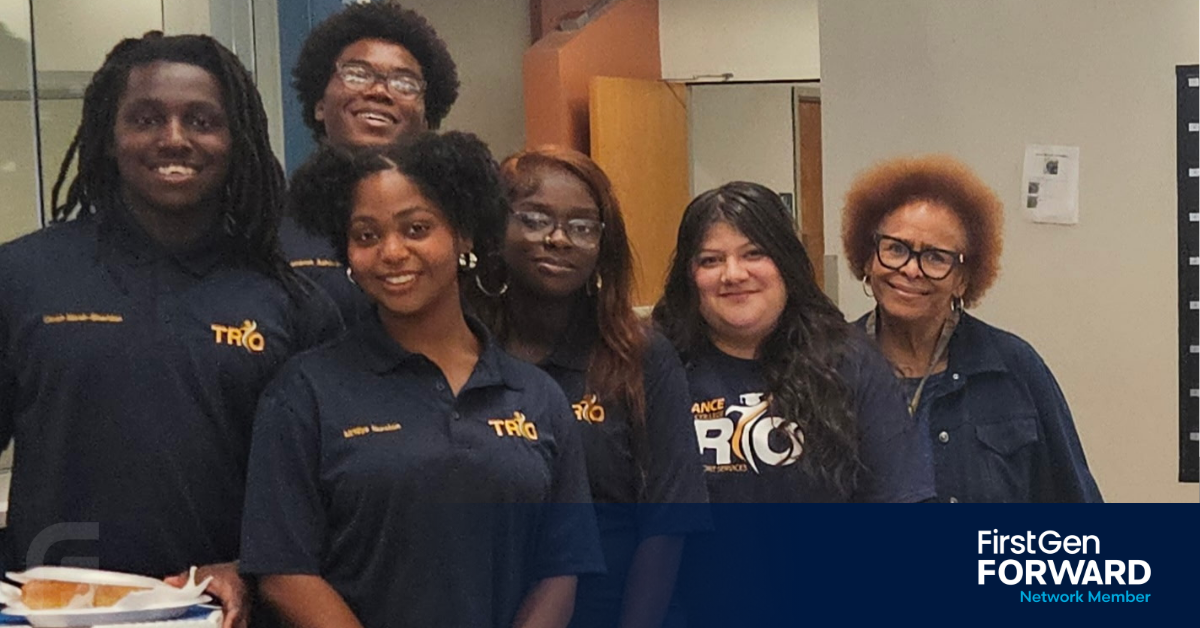
Our TRIO Ambassadors further strengthen this community through peer leadership and encouragement.
As Cevyn Marsh-Sheridan, TRIO Ambassador, explains:
"Being a TRIO Ambassador means helping other students recognize that they belong here. Sometimes the most important thing you can do is listen, offer encouragement, and remind someone that they have people who believe in their success."
Isatu Conteh, TRIO Ambassador, similarly shares:
"One of the most powerful things about TRIO is knowing that you are part of a community. We all have different experiences and goals, but we can learn from one another, support each other, and celebrate our accomplishments together."
Their perspectives remind us that students are not simply recipients of support; they actively contribute to the ecosystem through their leadership and relationships.
Building a Culture of Collective Responsibility
An ecosystem of support requires institutions to move beyond departmental silos. Students experience their academic, financial, and personal journeys as interconnected, and our services should reflect that reality.
Instead of asking, "Which department is responsible?" we should ask, "How can our collective expertise support this student's success?"
A referral tells a student where to go. An ecosystem of support helps ensure they do not navigate the journey alone.
At ACC, connecting holistic onboarding, individualized guidance, and peer leadership represents our commitment to this approach.
Ultimately, first-generation student success should not depend on students' ability to navigate institutional complexity.
It should be strengthened by our collective commitment to removing those barriers.
"For more information on the Alamance Community College's approach, please visit their website here.