What does it take for first-generation students to thrive in college? At Wayne State College, the At-Promise Student Success Program is building on students’ strengths while creating meaningful connections, personalized support, and pathways to success.
Recognizing Potential and Building Opportunity
Throughout my career in higher education, I’ve had the opportunity to work with many talented and motivated first-generation students. One thing I’ve learned is that student success isn’t simply about getting students through the doors of a college or university. It’s about what happens once they arrive.
At Wayne State College (WSC), our At-Promise Student Success Program reflects that philosophy. Designed to support first-generation and income-eligible students, including those from historically underrepresented backgrounds, the program provides individualized support, peer mentoring, and opportunities to build meaningful connections throughout their college experience. This program is particularly impactful at WSC, which is a four-year public regional comprehensive institution where the student population is 45% first-generation, 41% low-income and about 24% from diverse backgrounds. Recognizing the potential a program like this could have on the institution and for the trajectory of these students’ future, a private donor generously invested $100,000 to support the launch of WSC’s At-Promise Student Success Program.
The name At-Promise is intentional. Rather than defining students by perceived challenges or circumstances, we recognize the strengths, experiences, resilience, and potential they bring to our campus.
A Commitment to First-Generation Student Success
First-generation students bring unique perspectives, determination, and valuable lived experiences to higher education. However, navigating college systems, figuring out acronyms, understanding institutional expectations, and identifying available resources can sometimes be challenging.
At WSC, we’re working to make those connections more accessible.
Through At-Promise, students receive individualized support, regular check-ins, connections to campus resources and community-building opportunities. Our peer mentoring component also connects students with fellow Wildcats who can share their experiences, offer encouragement, and help students develop a stronger sense of community.
Our goal isn’t to create another program students must navigate. It’s to create a support system that meets students where they are and helps them move toward their individual goals.
Collaboration Is Essential to Student Success
One of the most important aspects of At-Promise is our collaboration with WSC’s Academic and Career Success Center (ACSC).
At-Promise students receive academic advising through a dedicated advisor in the ACSC, providing a direct connection to academic planning, career guidance, and additional student success resources.
“Students are supported from all angles, including when it comes to thinking about their careers early on. Their first-year advisor serves as an academic advisor, career coach, and more, helping students start connecting their college experience to their future goals. During their first-semester meeting, students begin talking about their major, potential career paths, and what they can do now to prepare. These conversations might include skills needed in their field, job-shadowing and internship opportunities, building social capital and professional connections, and other ways to become career-ready. The goal is to help students see early on how the choices they make in college can prepare them for life after graduation,” said Taylor Janke, Director - ACSC.
We communicate about our shared students regularly to ensure that no student falls through the cracks. This partnership allows us to provide proactive, coordinated support that helps us identify student needs early, address potential challenges, and connect students with the resources they need to succeed.
I believe student success should never be the responsibility of one office or department. It requires a coordinated institutional approach where faculty, advisors, staff and student support programs work together. When those connections are intentional, students benefit from a more consistent and supportive college experience.
Early Wins
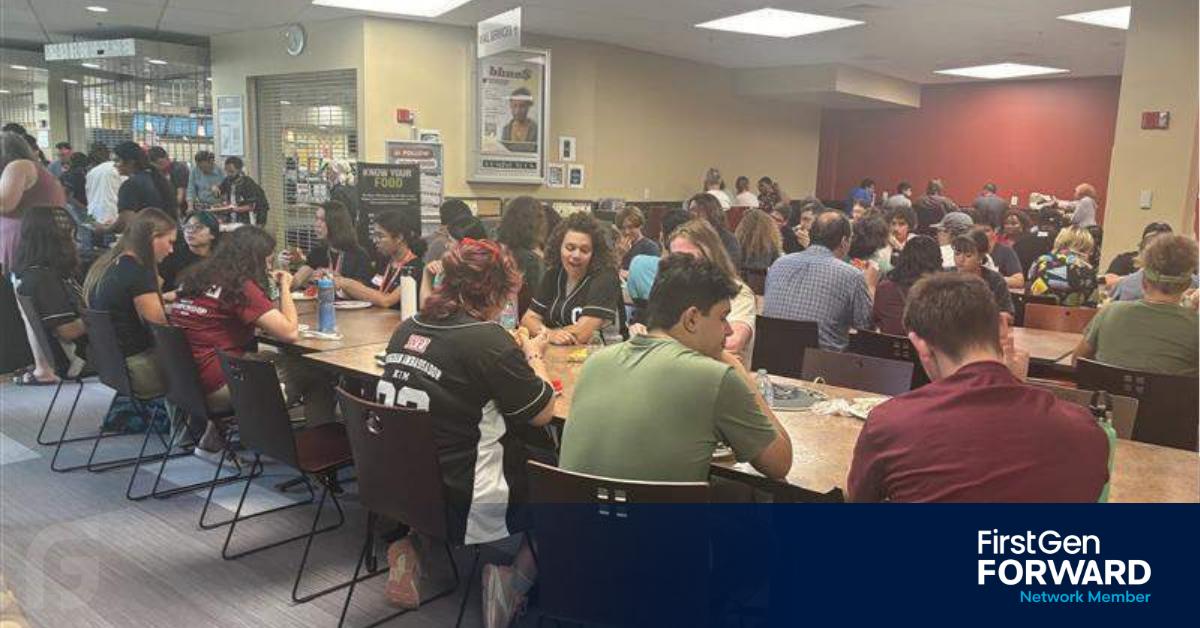
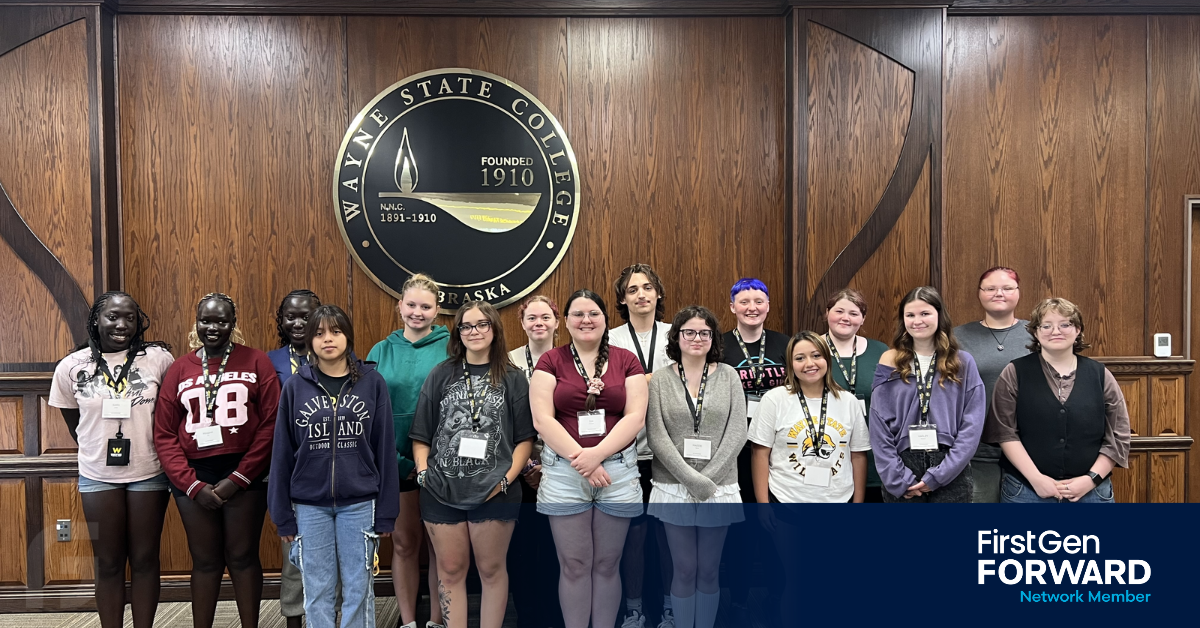
While the program is in its first semester, we’ve recognized early wins by engaging students not already supported by other cohort-based support programs such as TRIO Student Support Services in the inaugural cohort. Many attended a Summer Bridge Experience to facilitate their transition to life in college by introducing them to campus staff and resources and building relationships.
The first few months have focused on building a foundation for the program, establishing relationships with students, connecting them with their peer mentors (currently we have a ratio of one peer mentor for every four students), and coordinating academic support.
Programming for the future will blend opportunities for students to get involved, additional opportunities for support and social/community building activities and events.
Moving Beyond Access to Persistence and Completion
For me, the conversation about first-generation student success must extend beyond college access.
Getting students enrolled is the foundation; helping them persist, graduate, and pursue their personal and professional goals changes lives and communities.
At-Promise is part of that broader commitment at Wayne State College. We’re continuing to strengthen our impact by exploring new campus partnerships, and gaining a better understanding of what students need throughout their college journey.
Ultimately, I believe our responsibility is not simply to help students adapt to college, but to ensure our institutions are fully invested in creating environments where first-generation students belong and succeed. That’s the promise behind At-Promise.
For more information on WSC’s At-Promise Student Success Program, please visit https://www.wsc.edu/atpromise-program.